
What Retirement Really Looks Like in the St. Louis Metro East
Key Takeaways
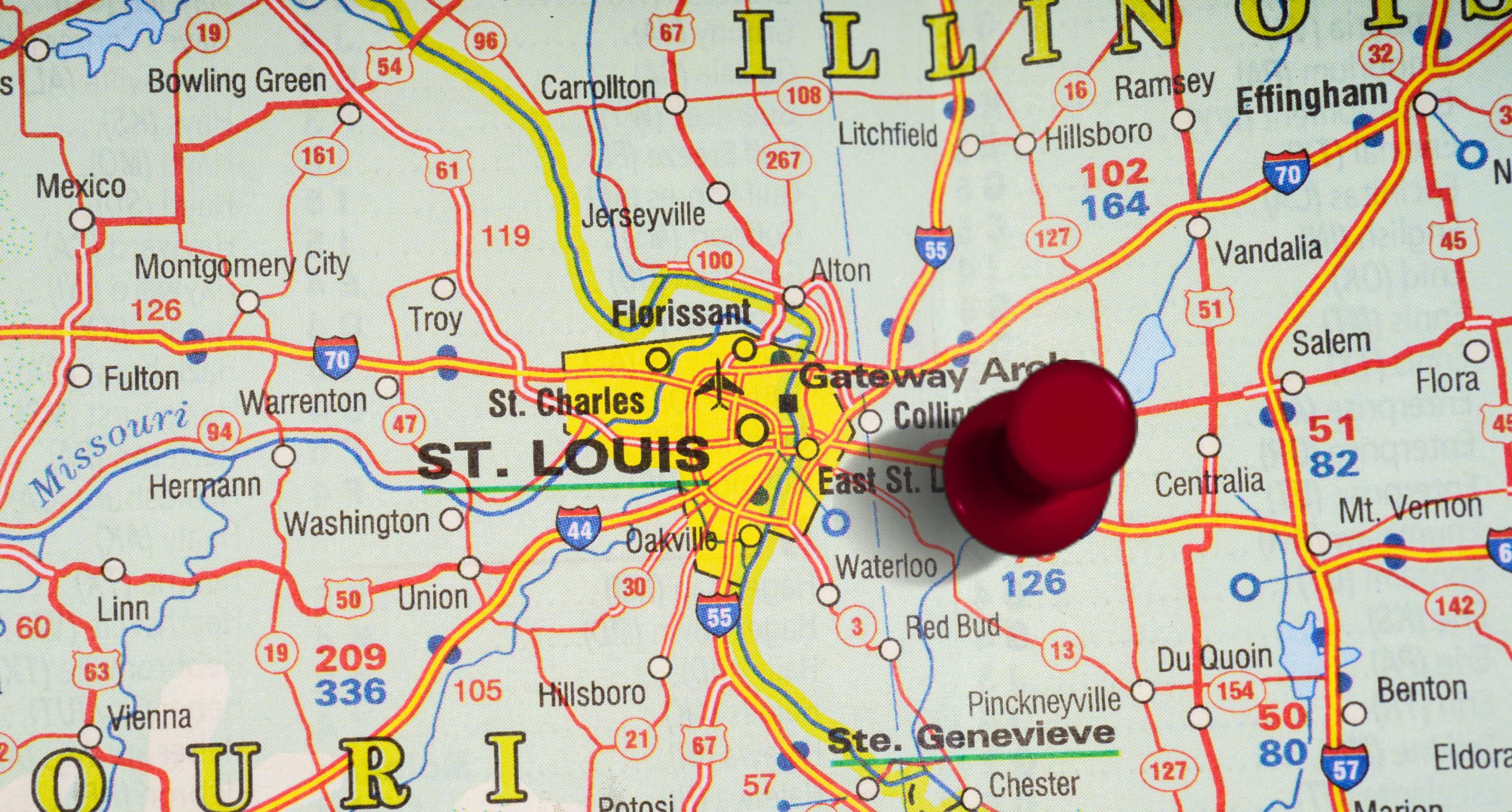
For many Illinois retirees, the question is not only where to live, but how that choice will shape daily life once retirement begins. Metro-East St. Louis often comes up for people who want a slower pace, practical convenience, and a better sense of what their money can support.
A closer look helps show what life here may actually involve, from routine spending to the kind of lifestyle the area can offer. That matters when you are trying to decide whether this part of the region fits the version of retirement you want.
A Snapshot of Major Retirement Expenses in Metro-East St. Louis
Getting your expectations in line with local prices can make the rest of the planning process much cleaner. A realistic view of the area’s cost of living helps you see what your retirement income may need to cover before you start layering on travel, gifting, hobbies, or an extra cushion.
This kind of snapshot is useful for one simple reason: it gives you a floor. Once you know what housing, utilities, food, transportation, medical costs, and lifestyle spending may look like in the Metro East, you can judge the area against the life you actually want to live.
Please Note: The breakdown below focuses on Edwardsville, Collinsville, Belleville, and O’Fallon, so you can look at some of the more common Metro-East, St. Louis retirement locations across both Madison County and St. Clair County.
Housing and Household Costs
Start with the expenses that usually set the floor for your monthly budget. In these Metro-East St. Louis communities, the main numbers to watch are:
- Home purchase prices: Recent median sale prices came in around $338,000 in Edwardsville 1, $185,000 in Collinsville 2, $137,000 in Belleville 3, and $357,000 in O’Fallon 4.
- Rent levels: Current average asking rents across all bedroom counts and property types run about $1,495 in Edwardsville 5, $1,150 in Collinsville 6, $1,050 in Belleville 7, and $1,600 in O’Fallon 8.
- Property taxes: Recent local estimates put effective property tax rates near 2.19% in Edwardsville 9, around 1.92% in Collinsville 10, about 2.60% in Belleville 11, and about 2.40% in O’Fallon 12.
- Utilities and household services: A practical local bill-pay benchmark is about $112 a month in Madison County 13 and about $80 a month in St. Clair County 14, which gives you a workable reference point for Edwardsville, Collinsville, Belleville, and O’Fallon when you are estimating recurring home expenses.
Everyday and Retirement-Specific Living Costs
Once the home piece is clear, the next step is looking at the recurring costs that shape everyday life. For these same areas, here are some living wage benchmarks to help you get a better understanding of a minimum floor for other potential costs:
- Food: For one adult, basic food costs work out to about $341 a month in Madison County 15, and about $350 a month in St. Clair County 16.
- Transportation: For one adult, basic transportation runs about $749 a month in Madison County 15, about $718 in St. Clair County 16.
- Medical: For one adult, basic medical costs come in at about $291 a month in Madison County 15 and St. Clair County 16.
What Day-to-Day Retirement Life Can Look Like in the Metro East
Once you have a clearer sense of what retirement may cost here, the next question is what everyday life may actually feel like. That is where Metro-East St. Louis starts to stand out for people who want a comfortable retirement built around convenience, familiarity, and room to settle into a routine that fits.
The area gives you access to a wide mix of communities rather than one single retirement experience. You can find quieter suburbs, established neighborhoods, and walkable pockets near the city, which gives you more flexibility in choosing the kind of pace you want.
Recreation, Community, and Local Lifestyle
For many people, retirement works better when daily life has enough built-in variety to keep the week full without feeling overplanned. The Metro East offers that through parks, trails, golf courses, riverfront areas, and community spaces that make it easier to stay active close to home.
Local life also has more texture than people sometimes expect. From Main Street districts in places like Edwardsville and Belleville to seasonal events, local theater, and familiar restaurants, there are enough recurring outlets for social time, casual outings, and everyday enjoyment.
That same mix can make it easier to build connections over time. Volunteer groups, church communities, libraries, local organizations, and neighborhood events give residents steady ways to stay involved, which matters if you want your golden years to feel connected rather than isolated.
Convenience and Practical Livability
The Metro East also works well for retirees who want daily errands and appointments to stay manageable. Access to hospitals, medical offices, grocery stores, pharmacies, and routine services across the region can make ordinary life feel easier to maintain.
The area can also be appealing if you want to stay close to children or grandchildren without living in the middle of a faster, higher-cost core. Many of these towns support a more practical day-to-day rhythm while still keeping family amenities, shopping, and entertainment within reach.
That balance is a big part of what gives the region lasting appeal. For someone looking at places in the Midwest, Metro-East St. Louis can feel like a practical retirement destination that offers access to St. Louis while letting you live in a setting that often feels more relaxed and easier to manage.
Financial Planning Considerations for Retirement in the Metro East
Once you have a feel for local expenses and day-to-day life, the next step is turning that picture into a long-term strategy. A good approach takes the realities of the Metro East and connects them to the way your money will need to support you over time.
That work usually comes down to a few big questions. You need to know where your cash flow will come from, how much flexibility your spending leaves you, and whether your current savings can support the lifestyle you want over a long retirement.
Building a Sustainable Income Plan
A sustainable income plan starts with matching reliable cash flow to recurring expenses. That means looking at your expected social security payments, any pensions, portfolio withdrawals, and other sources side by side with the bills that are likely to show up month after month.
This is also where your retirement budget needs to reflect real life rather than a rough estimate. Housing, medical spending, insurance, food, transportation, and discretionary costs all need to fit within a structure that leaves room for normal surprises and changing priorities.
A strong plan also pressure-tests the future, not just the present. Even in an area with solid affordability, inflation, uneven market returns, and rising personal spending can change what a workable plan looks like, which is why your retirement savings should be measured against the life you want now and the version of that life you may want later.
Planning Beyond the Monthly Budget
Monthly spending is only part of the picture. Long-term planning also needs to account for the bigger financial decisions that can shape your cash flow, flexibility, and options over time:
- Tax strategy: Your withdrawal mix can affect how much of each dollar you actually keep. A thoughtful review of taxable accounts, tax-deferred accounts, and Roth assets can help manage Illinois tax exposure, federal tax brackets, and the way distributions affect your net spendable cash.
- Withdrawal coordination: Taking money from the wrong place at the wrong time can create unnecessary strain. Coordinating withdrawals across account types can help smooth cash flow, manage lifetime taxes, and give your portfolio a better chance to last in retirement.
- Future care planning: Health needs can shift gradually or all at once. A long-term strategy should leave room for added support at home, higher medical costs, or a move to a different living arrangement if that becomes necessary.
- Housing transitions: Retirement housing decisions do not always stay fixed. Downsizing, moving closer to family, renting later on, or changing neighborhoods can all affect liquidity, taxes, and ongoing spending.
- Emergency reserves: One-time expenses still matter even when monthly bills look manageable. Home repairs, car replacement, family support, and other unplanned costs need a dedicated cushion so they do not disrupt the rest of the strategy.
- Ongoing review: A retirement plan works best when it is revisited as life changes. Spending patterns, family priorities, market conditions, and personal goals can all shift, which is why regular reviews can help keep the strategy aligned with where you are now.
Metro-East St. Louis Retirement FAQs
1. Is the Metro East considered an affordable place to retire?
For many households, Metro-East St.Louis can offer a lower overall cost than living closer to the urban core, especially when you compare home prices and day-to-day expenses with some higher-cost areas. Your results will still depend on location, housing choice, and the kind of spending your lifestyle calls for.
2. What kinds of activities are available for retirees in the area?
The region offers parks, trails, local events, volunteer opportunities, shopping areas, and community gathering spots across a range of communities. Many people also like the mix of local attractions and quick access to larger regional destinations.
3. What financial planning issues should retirees pay closest attention to in this region?
The biggest issues usually include withdrawal strategy, taxes, health care planning, emergency reserves, and whether your assets can support long-term spending. Your various income sources and investment accounts need to work together in a way that fits both current needs and future changes.
4. Is the Metro East a good fit for retirees who want to downsize?
It can be, especially for households looking for a smaller home, lower upkeep, or a move closer to services and family. The better fit often comes down to whether downsizing improves both monthly cash flow and day-to-day convenience.
5. Should you rent or buy in retirement in the Metro East?
That depends on your time horizon, maintenance preferences, liquidity needs, and how settled you want to be. Buying may offer stability, while renting can provide flexibility and reduce responsibility for repairs and upkeep.
6. When should you revisit your retirement plan after moving to the Metro East?
A plan should usually be reviewed after a move, after a major spending change, or when income sources shift. Regular check-ins can help you adjust to new routines, changing goals, and costs that look different in real life than they did on paper.
How Our Team Can Help You Plan for Retirement in the St.Louis Metro Area
Retirement in Metro-East St. Louis is about more than finding a place with manageable expenses. It is about understanding how local living costs, your day-to-day routine, and your long-term goals fit together in a way that supports the life you want to live.
Our firm works with Illinois retirees who want their planning to reflect real life, not just rough assumptions on a spreadsheet. We help connect income sources, tax considerations, housing decisions, health care planning, and long-term spending so the pieces of your retirement strategy work together.
That process can be especially useful if you are weighing a move, adjusting your budget, or trying to decide how far your assets may need to stretch over time. If you want help building a retirement plan around what life in the Metro East may actually look like, schedule a complimentary consultation with our team.
Resources:
1) https://www.redfin.com/city/5849/IL/Edwardsville/housing-market
2) https://www.redfin.com/city/4041/IL/Collinsville/housing-market
3) https://www.redfin.com/city/1280/IL/Belleville/housing-market
4) https://www.redfin.com/city/14314/IL/O-Fallon/housing-market
5) https://www.zillow.com/rental-manager/market-trends/edwardsville-il/
6) https://www.zillow.com/rental-manager/market-trends/collinsville-il/
7) https://www.zillow.com/rental-manager/market-trends/belleville-il/
8) https://www.zillow.com/rental-manager/market-trends/o-fallon-il/
9) https://www.ownwell.com/trends/illinois/madison-county/edwardsville
10) https://www.ownwell.com/trends/illinois/madison-county/collinsville
11) https://www.ownwell.com/trends/illinois/st.-clair-county/belleville
12) https://www.ownwell.com/trends/illinois/st.-clair-county/o-fallon
13) https://www.doxo.com/g/madison-county-illinois/utilities
14) https://www.doxo.com/g/saint-clair-county-illinois/utilities
15) https://livingwage.mit.edu/counties/17119
16) https://livingwage.mit.edu/counties/17163
Want more help? Let’s chat.

Joe Allaria, CFP®
Wealth Advisor | Partner

Follow me on Social Media

Free Retirement Assessment